City of Adelaide Elections 2026
Client: City of Adelaide
Role: Independent Consulting Partner
Sector: Elections, Democracy, Local Government
The Challenge
The City of Adelaide needed to prepare for the 2026 council elections under new rules that changed who could vote and how people were enrolled. These reforms introduced new obligations, tighter eligibility requirements and higher expectations around how the voters roll was designed and certified.
Looking ahead to 2026, the City wanted to be more deliberate about how election delivery and communications were organised, especially as eligibility and enrolment rules became more complex and more visible.
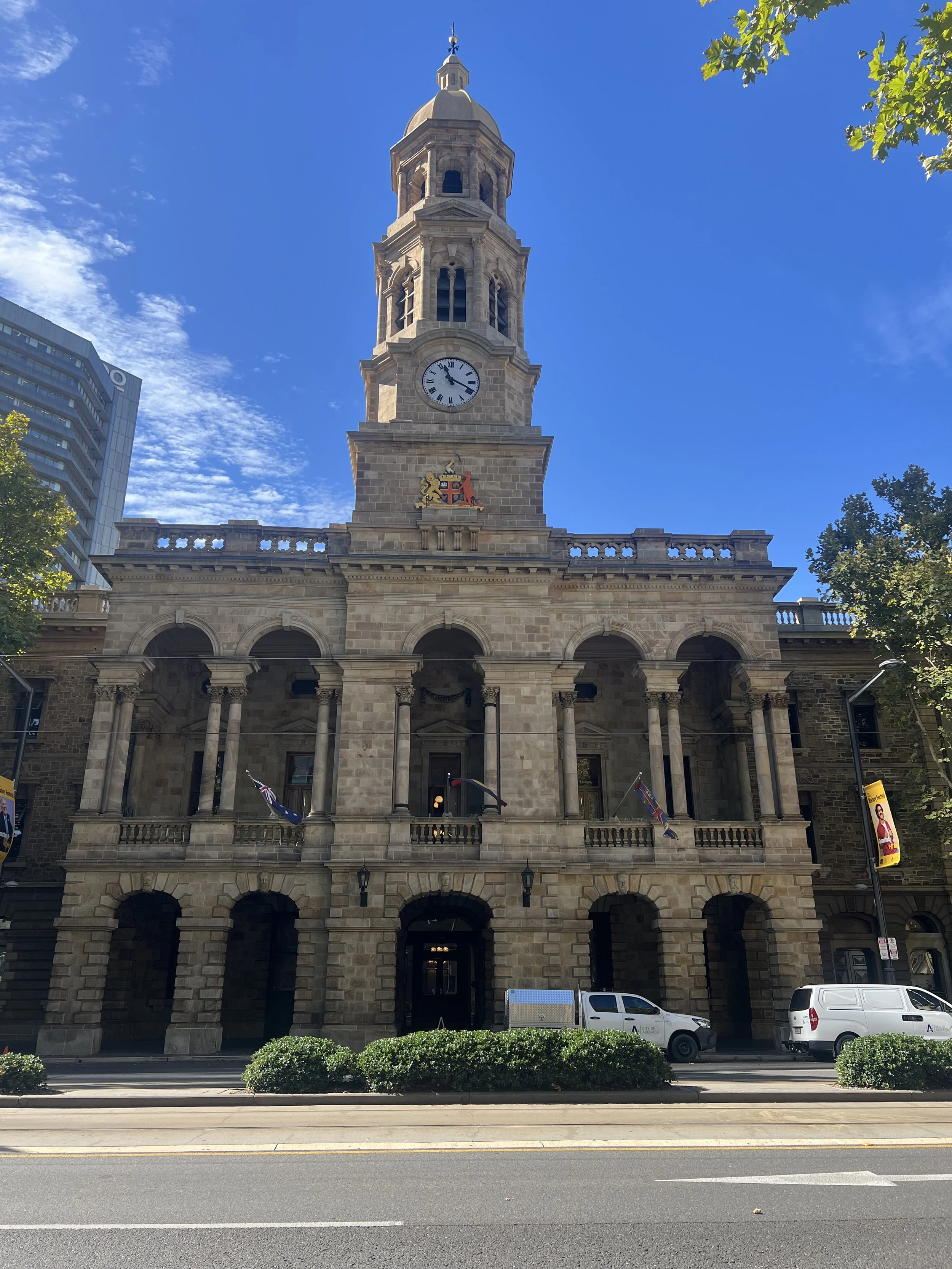
Adelaide Town Hall, Cnr of King William and Pirie Street.
Our Approach
Working with CoA across three phases of work as a Senior Elections Advisor, we helped to unpick the practical impact of legislative change and shape a way forward for Elections 2026.
The work focused on what the new rules meant for eligibility and accountability, what needed to shift in data and systems, and how voters would need to be supported.
Phase 1: Discovery
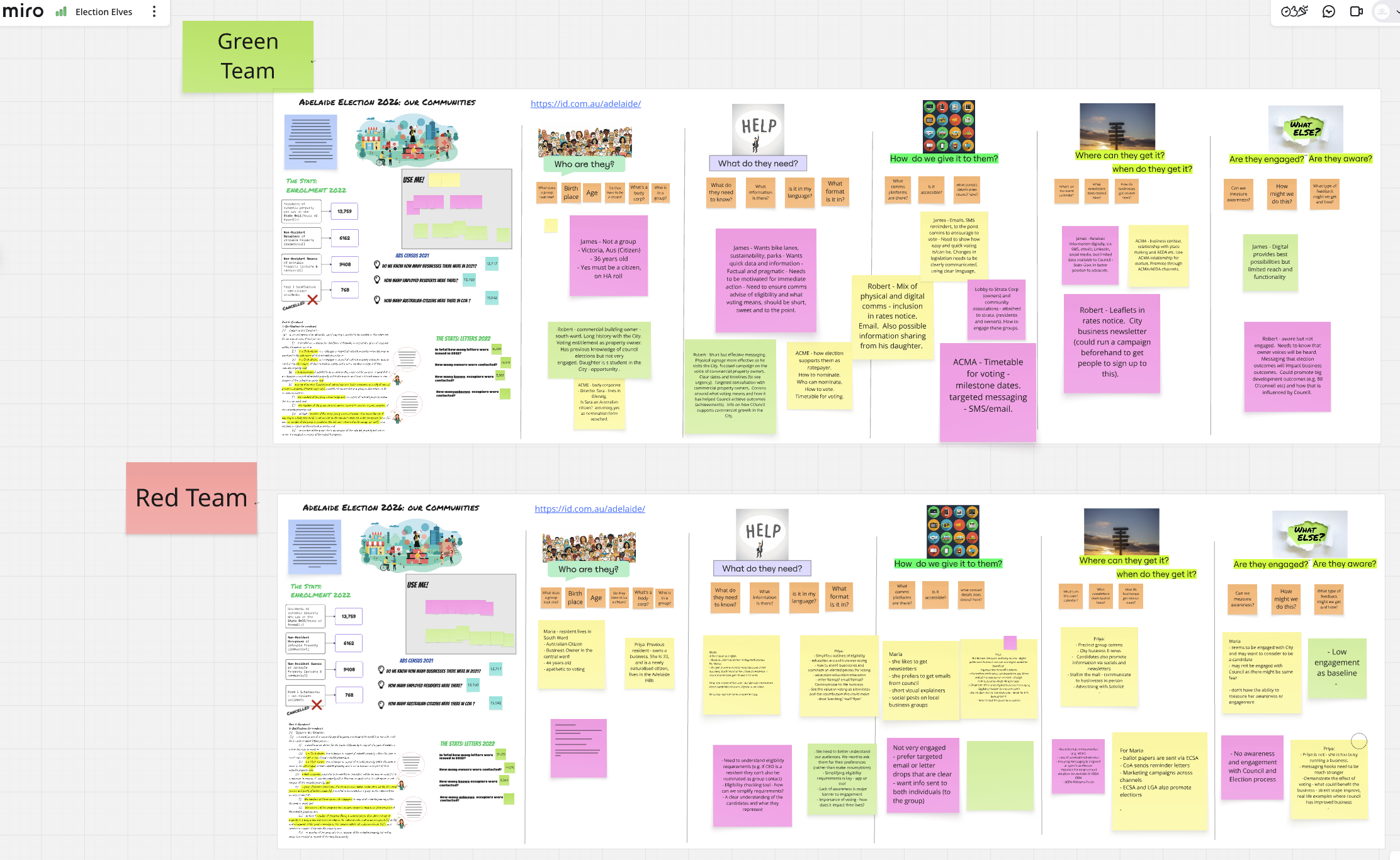
The Discovery phase reviewed how the legislative changes intersected with current roll construction, property and enrolment data, system capability and the support offered to ratepayers and voter franchisees.
We developed A Case for Change which demonstrated how new obligations affected risk, where data and transparency mattered most, and what this implied for timelines and capacity. This gave leaders a shared, evidence‑based view of why Elections 2026 required a different approach.

Phase 2: Strategy
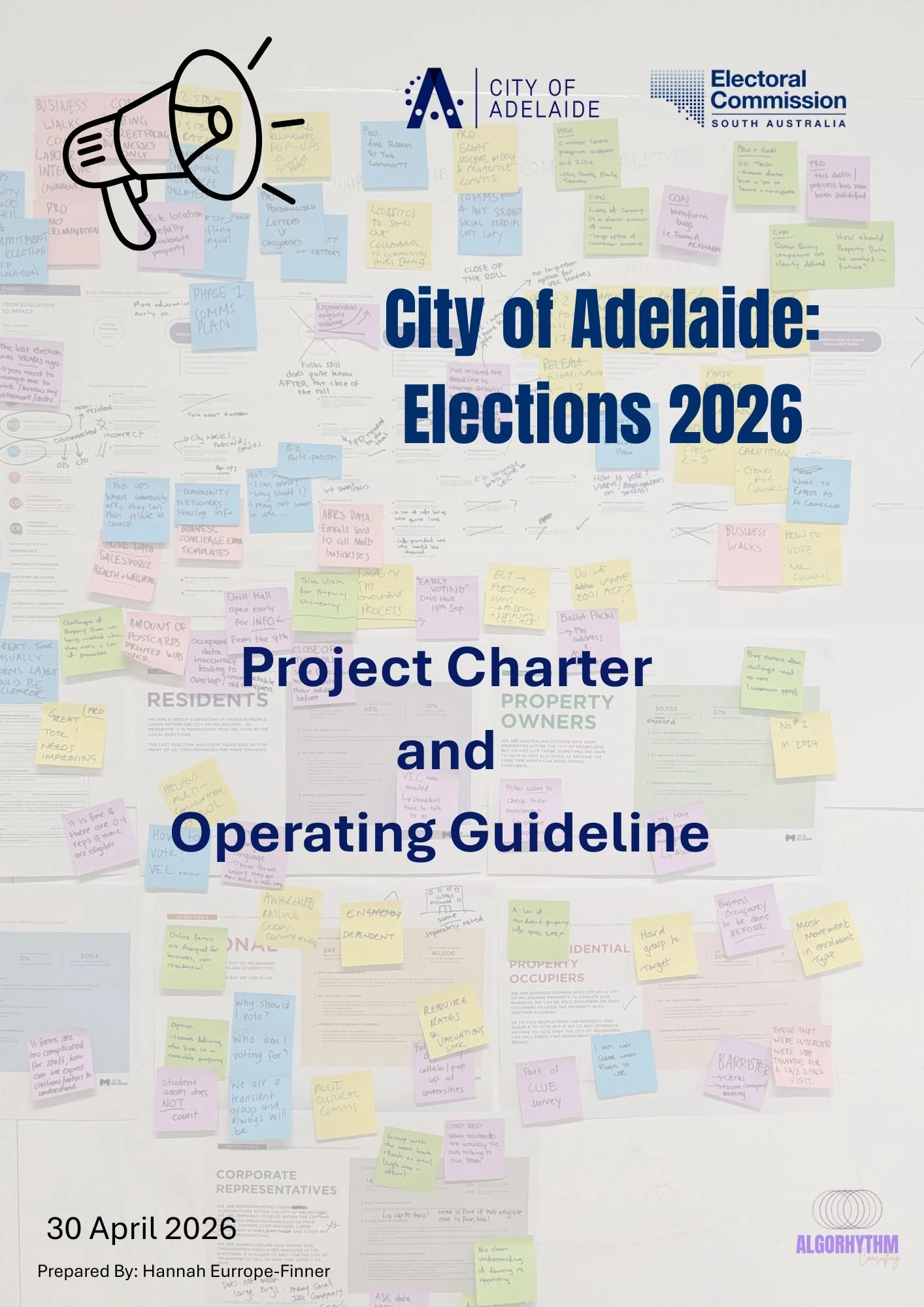
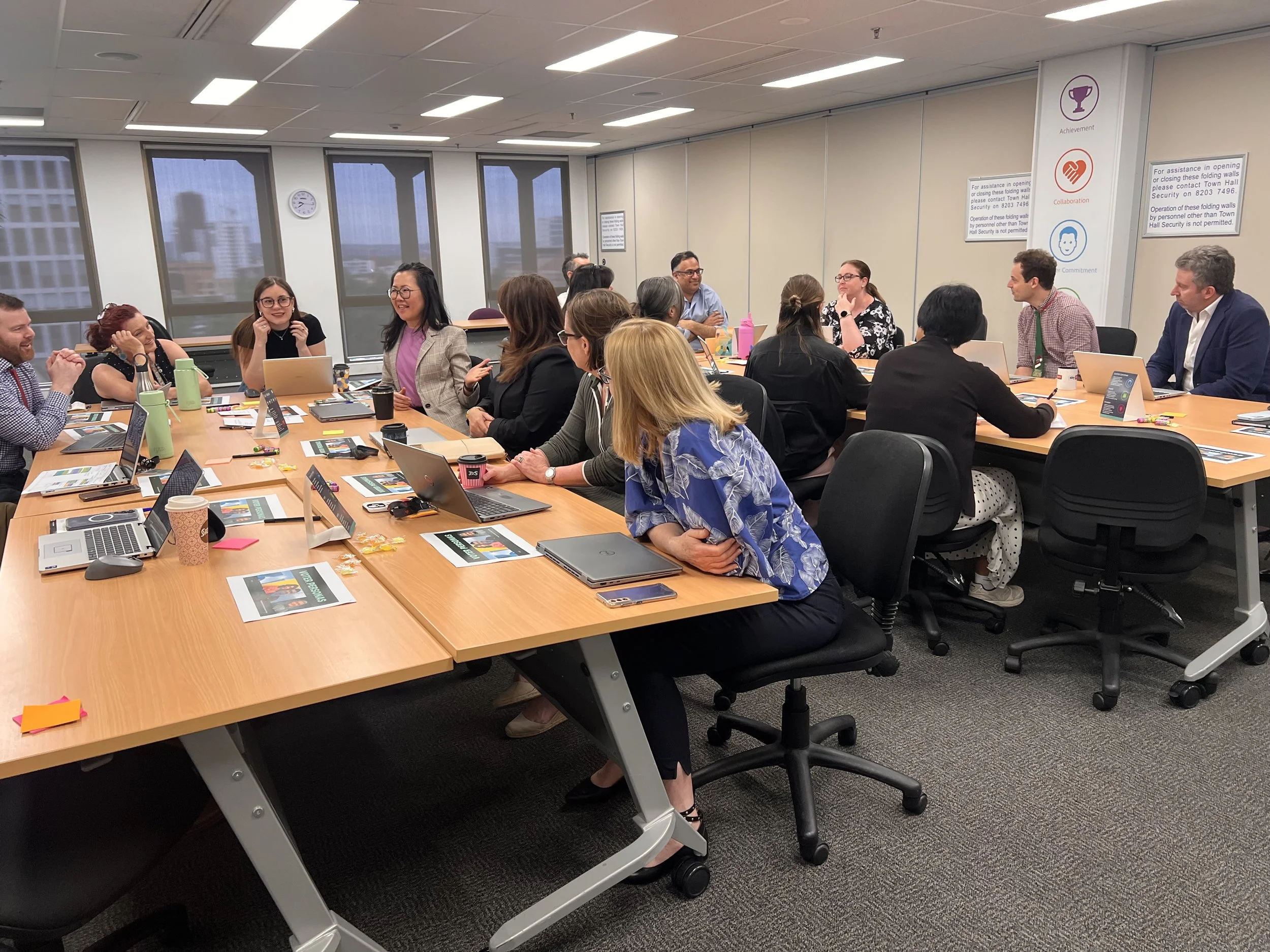
Building on Discovery insights, we developed a strategic approach and supporting governance structure to guide the safe delivery of Elections 2026. This phase outlined key areas of work and a practical approach to the voters roll that balanced new legislative requirements with existing systems and timeframes. The roll approach centred clear entitlement logic, proportionate checks and governance, without assuming large‑scale system replacement in the short term
Phase 3: Roadmapping
Elections 2026 was framed as a coordinated election program rather than a single project. Roadmapping set out indicative timelines and decision points aligned to the Act and election timetable, linked key areas of work so planning decisions could be made with a view across the whole election, and identified high‑level voter profiles, pathways and support concepts (including an Elections Support Office), alongside principles for clear, accessible communications. These planning artefacts gave the City a structured starting point for detailed project planning, resourcing and risk management.
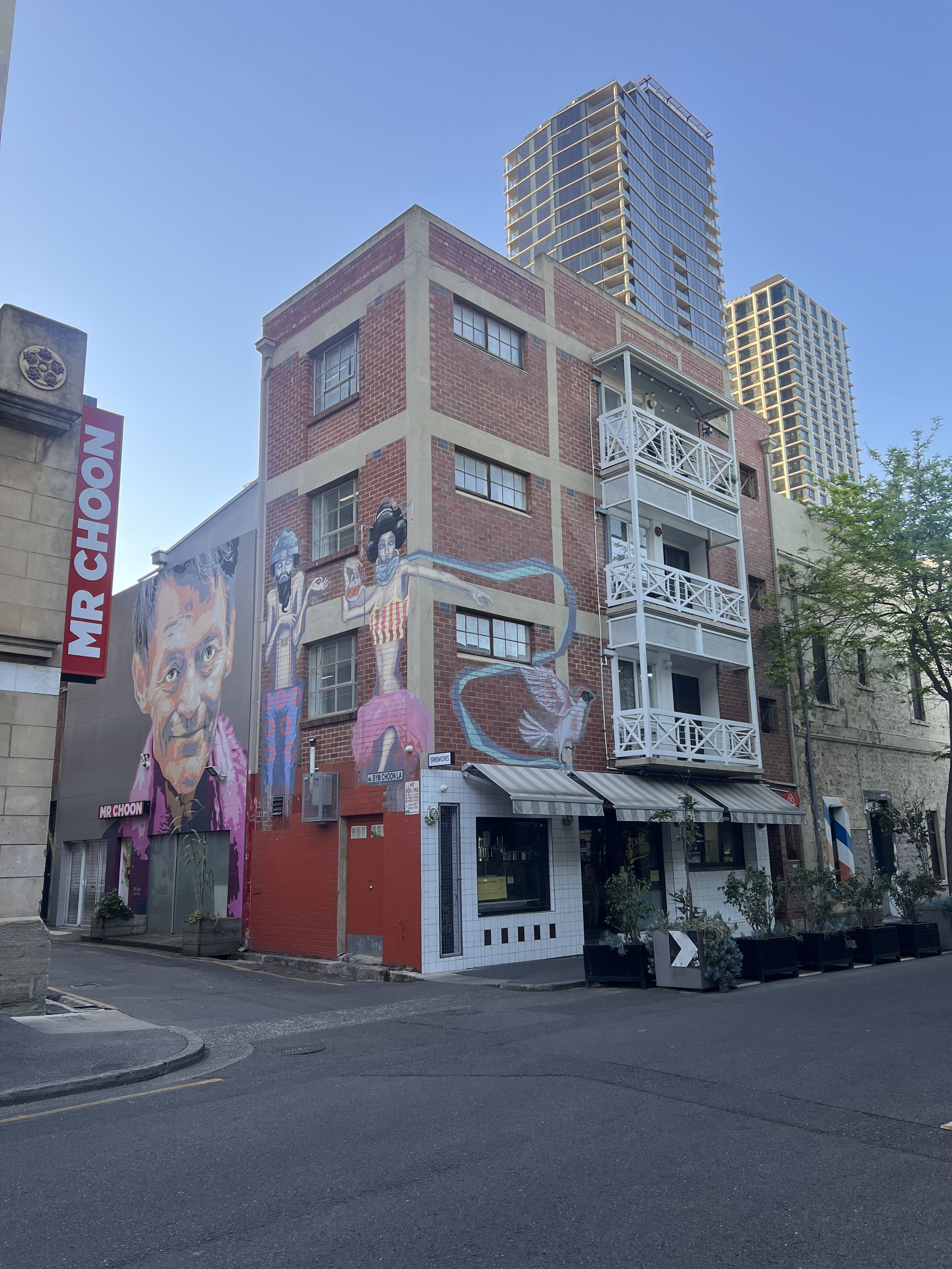
The famous Sym Choon lane in Adelaide’s East End - the heart of creativity and hospitality.
Results and Impact
Our work focused on putting the right thinking, planning and governance in place ahead of delivery. The City of Adelaide now has a clearer understanding of how legislative changes affect its election responsibilities, a shared view of key work areas for Elections 2026, and a program structure and voters roll approach it can adopt, adapt or use as a benchmark when making decisions.
Why it Matters
When election rules change, councils need more than compliant systems: they need clear responsibilities, a shared view of the work, and a coordinated way to deliver it. Our support helped the City of Adelaide put those building blocks in place for Elections 2026, so leaders can make more confident decisions, drawing on a clearer program structure, a stronger voters roll approach and a more understandable experience for people who are entitled to vote.